

What Is Car Diagnostics?
Car diagnostics is a process that can be used to identify the root of an issue with a car. This includes analyzing all kinds of vehicle equipment. However, it is more commonly used to refer to electronic-controlled vehicles. To determine if you have any problems, the diagnostic process checks the fuel supply of your car sensors, filters, and fuel supply. The engine management software of your car will look for codes that are related to different components.
Check engine light
The Check Engine light indicates that your car has an issue. The check engine light may flash or stay for a lengthy period. It doesn't matter what the cause is, it's essential to have your car examined by an experienced mechanic. You could end up damaging your car's emissions control system, including your catalytic converter if you don't address the issue.
To figure out the cause of the check engine light, you have to understand how cars operate. Cars have built-in computers that communicate with the driver via icons. The orange engine-shaped icon located in the instrument cluster is turned on when a problem has been detected by the onboard computer. The causes of these problems vary from a simple overheating problem to something much more serious.
A check engine light is a problem with the car's emission control system. This is a sign there is a problem with the car's emission control system. It can cause the car to be unsafe to drive. It is imperative to address it as soon as possible or it could cause more damage and more expensive repairs. Although the check engine light is not to be ignored, it can be dangerous to drive.
An OBD-II scanner can be bought in case you're not certain of what the issue might be. how much is car diagnostic test uk can cost anywhere from to $100, and will provide an idea of what's wrong with your vehicle. Based on the severity of your issue they will help you determine the next step. In the meantime, don't get stressed if your car's check engine light turns off Be calm, pay attention to the symptoms of your car, and ensure you get off the road as soon as you can.
Oxygen sensor tests
There are two primary ways to test the oxygen sensors in your car. To test the voltage of your oxygen sensor first employ an OBD2 scanner. If the sensor is operating correctly, the voltage should move from rich to lean at a steady pace. The voltage should be between 0.1 to 0.9 volts. If it fluctuates, it is probably an issue with the oxygen sensor.
If the readings stay constant the oxygen sensor is operating properly. It should be within the range of 100mV to 900mV. It should be within the range of 100mV to 900mV. If it is lower than this, it indicates the presence of a problem. If the readings are higher than this range it is most likely that the sensor is malfunctioning. Next take the hose off of your PVS valve. This will allow a significant amount of air to enter the engine.
A voltmeter is the ideal method to test the voltage of the O2 sensor of your car. You'll need the highest quality voltmeter. This is because the voltage coming from the O2 sensor in your car should be between one and one volt.
If you are unsure about the voltage, you can also test it using a multimeter. The multimeter will give the readings from the oxygen sensors downstream and upstream. Before you test your multimeter, warm up your vehicle. If it's warm, the voltage of the digital multimeter should change between 0.1 Volt and one volt. If the readings do not fall in that range, the oxygen sensor could be malfunctioning.
Diagnostic costs
When it is about the cost of car diagnostics, there are several factors that impact the final cost. While most problems are simple, complex conditions can prove expensive. It is possible to replace parts of your engine, such as. If this is the situation, you should seek an opinion from a different source. It is important to be aware that some auto repair shops charge you more for diagnostic tests. To avoid being scammed make sure you choose an honest auto repair shop that has an excellent reputation.
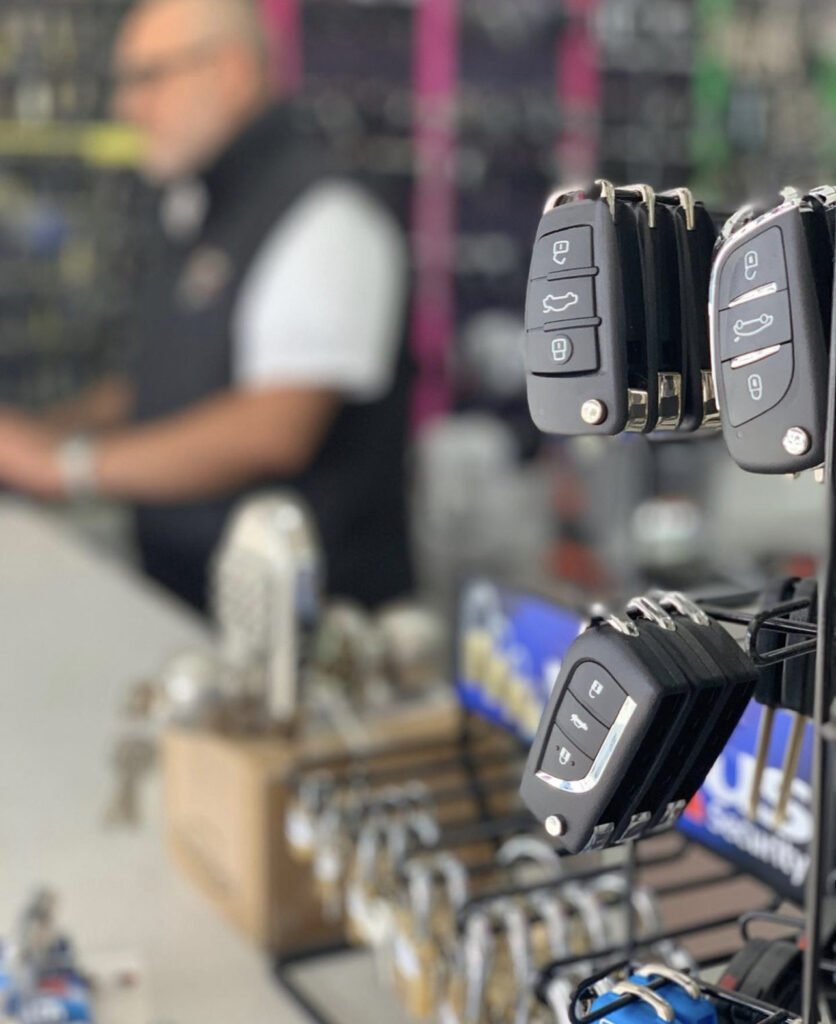
You can also purchase an online car diagnostic tool for as low as $25. These tools are similar to ones used by mechanics or auto parts shops. These tools can help you determine the issue before you take it to a mechanic.
A general diagnosis costs between $88 to $111, on average. If the problem is more complex the repair shop could request additional time and money to finish the diagnosis. These costs are usually lower than the cost for repair. However, you should be aware that these charges are just the beginning of the cost.
Although diagnostic tests could cost more than other repairs, you should keep in mind that you're investing in your vehicle over the long term. Diagnostic tests for cars can help detect a problem before it becomes an expensive expense.
The signs of a problem with a car system
The electrical system regulates the lights and is among the most important components in the automobile. The lights keep drivers safe and illuminate the interior, particularly at night. If your lights suddenly stop working or are dimming it could be an issue with your electrical system. It could be a sign of a dying battery or an alternator belt that needs replacement.